Make a Private High School Campus Visit Count
Plan a private high school campus visit around your student. Observe classes, support, daily transitions, and travel, then record unanswered questions.
A private high school campus visit is most useful when a student leaves able to describe a school day they could actually join. Attractive spaces and a friendly welcome matter, but the visit also needs to resolve questions about classes, support, participation, and the journey to school.
Bring one student's needs into focus before arriving. A family comparing schools for a quiet ninth grader will notice different things from a family planning a junior-year transfer with a particular course sequence. Give the visit a purpose specific enough to remember afterward.
Bring a short student brief
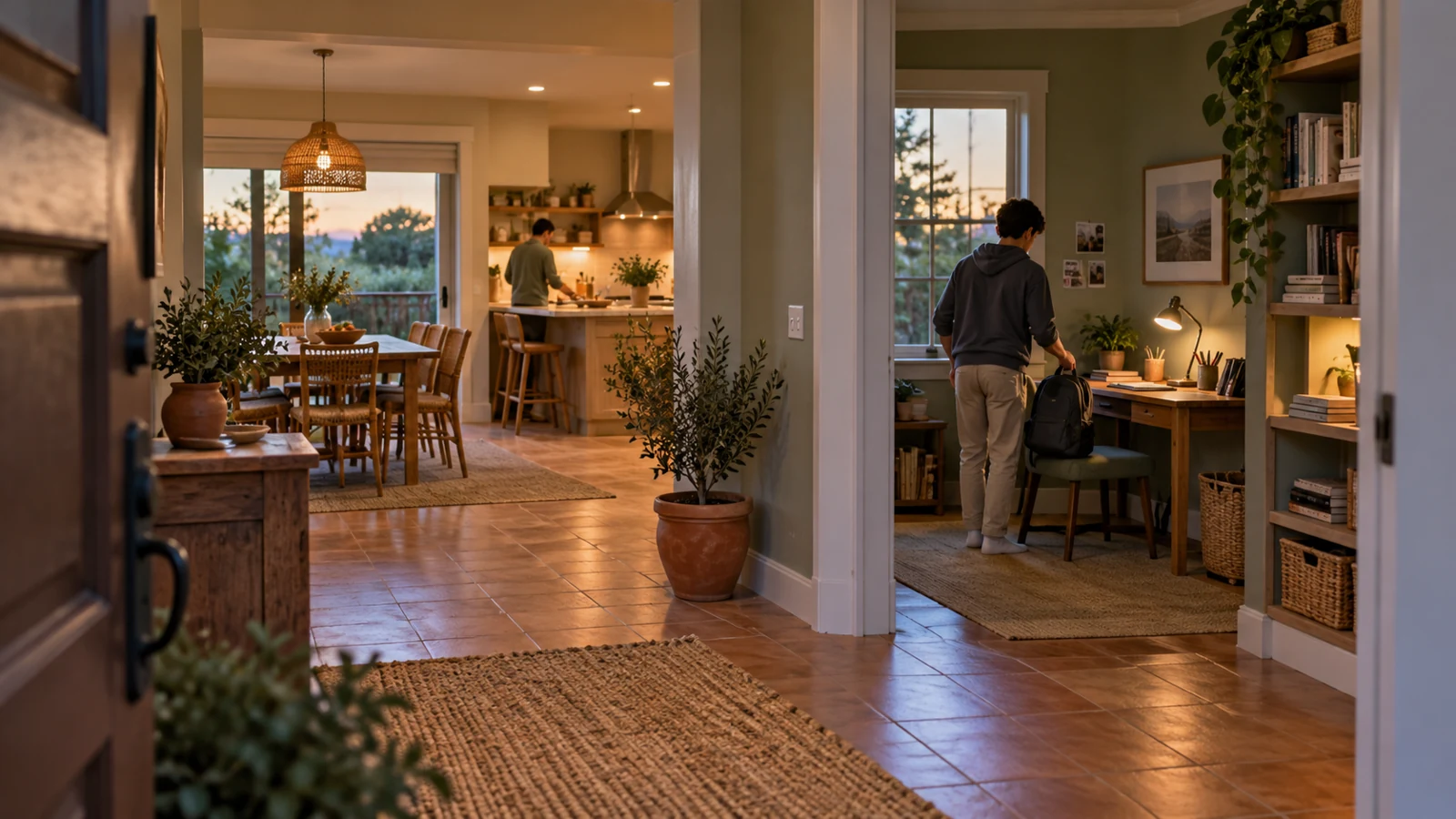
A page of relevant background is enough: current grade, recent courses, one subject the student wants to pursue, and one part of school that has been difficult. Add whether the student expects to commute or board. Keep personal records private and share them through the school's appropriate admissions channel.
Then choose two or three things the visit needs to clarify. Perhaps the student wants an advanced mathematics route but needs time for an activity. Perhaps a parent wants to understand where academic help fits before the journey home. Those purposes are easier to investigate than an instruction to “see whether the school feels right.”
Confirm what the appointment includes. A campus tour, an open house, a student shadow day, and an admissions interview can be very different experiences. Ask about classroom access, the people available to speak with you, accessibility needs, and whether the student should bring anything. An appointment does not automatically include attendance in a class.
Watch the transitions between the featured spaces
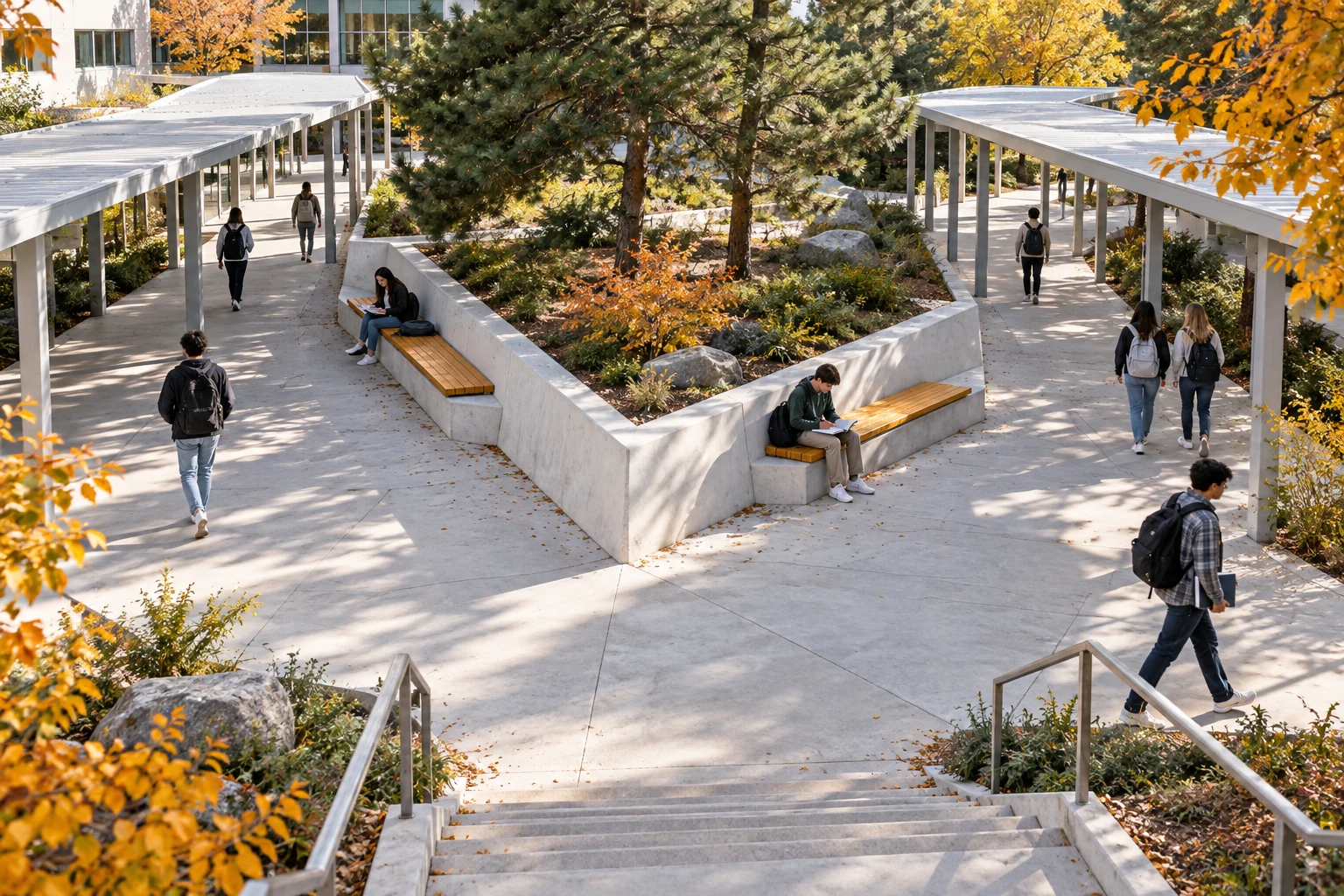
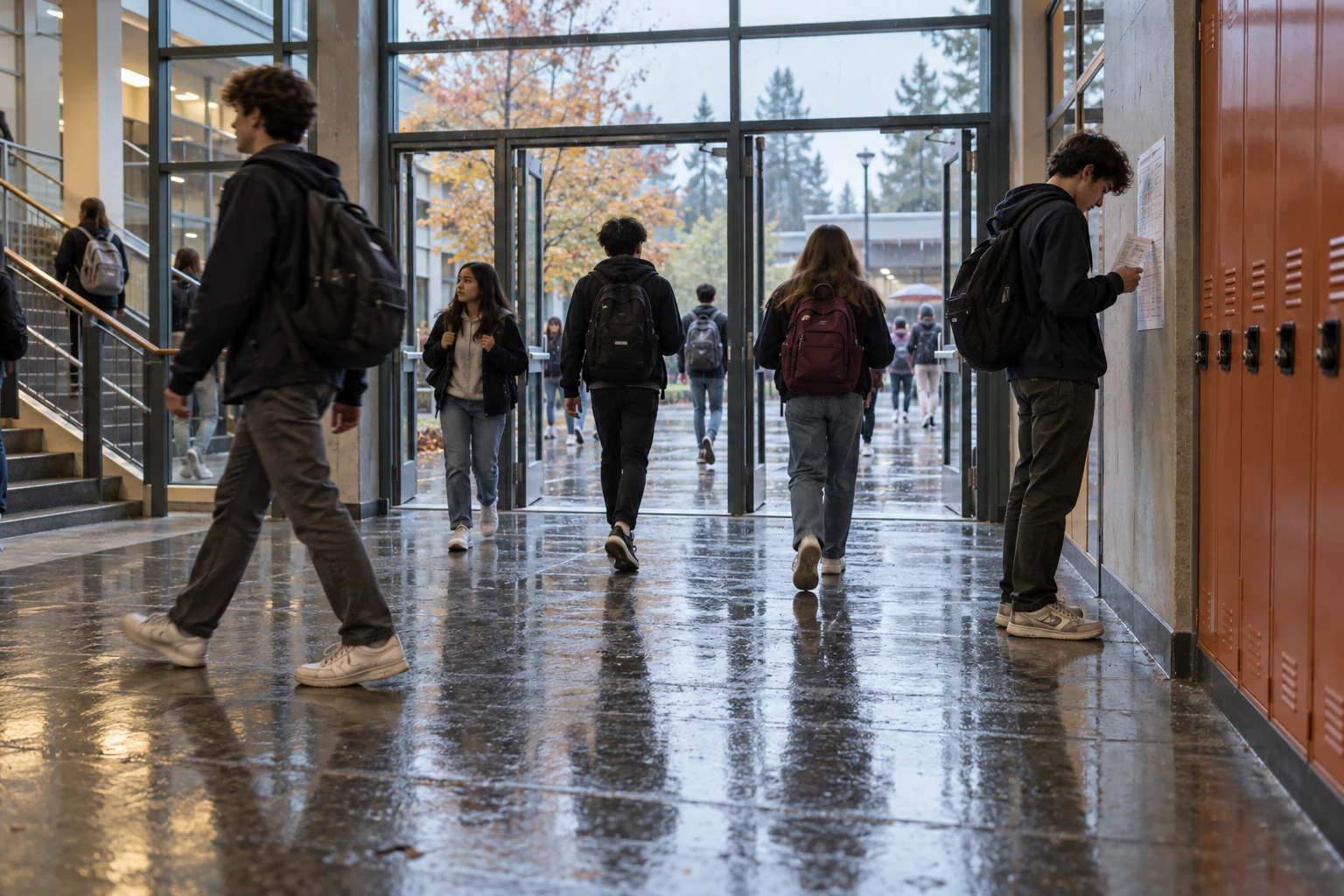
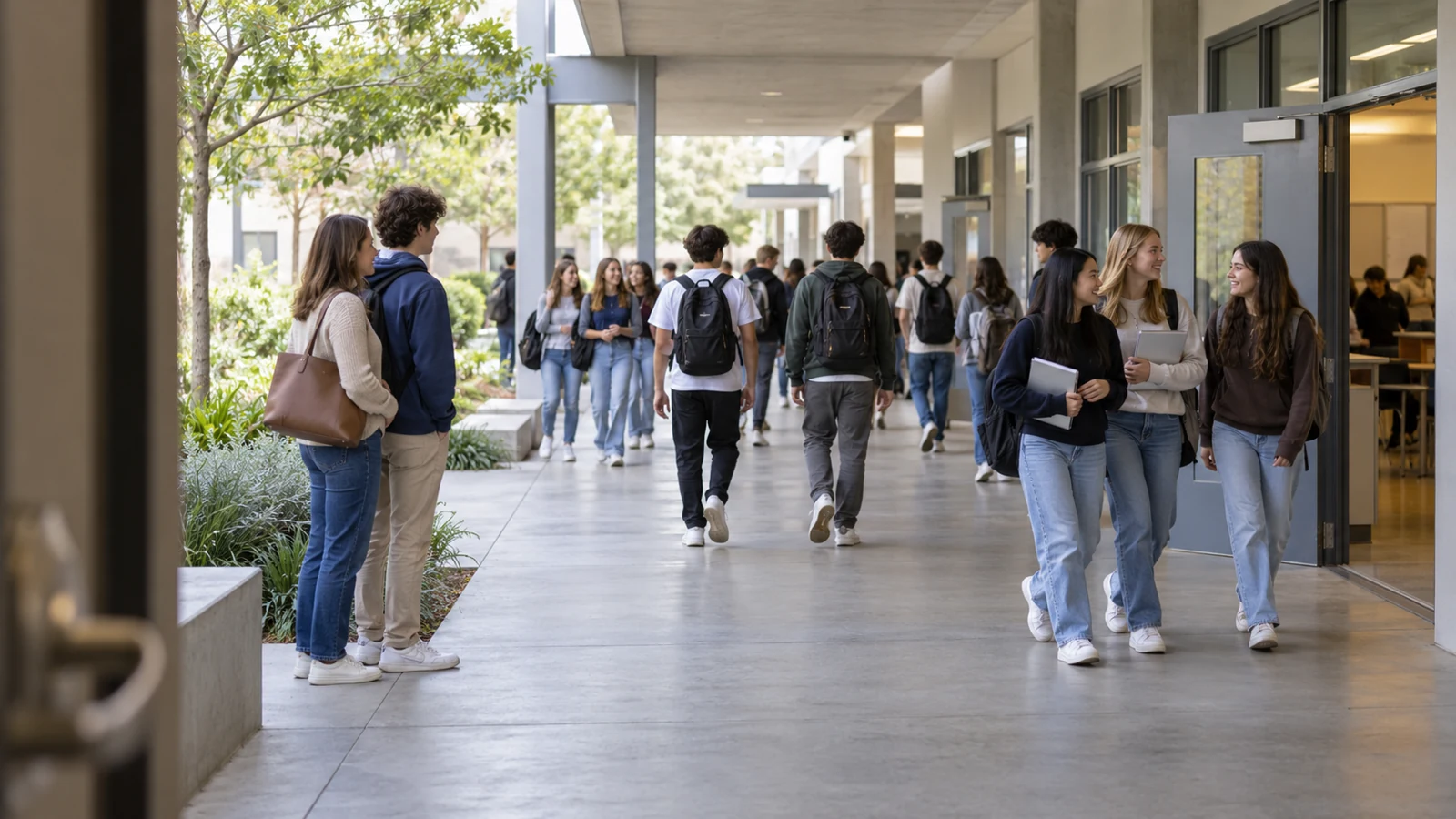
It is natural to concentrate on the science lab or the most impressive classroom. Also notice the route between lessons, the places students pause, and the way adults respond to a small interruption. Those moments can reveal how the environment works when it is busy.
Where does a new student go with a timetable problem? Can students find a quiet place to work? How do they enter a club or activity without already knowing everyone? Observe what is visible, then ask about what you could not see. A quiet corridor during a scheduled tour is not enough evidence to judge the whole social environment.
Keep the student's reaction separate from the parent's. One may love the energy of a shared space while the other finds it distracting. Both observations deserve to be recorded before a general impression swallows the details.
Use one course choice to make the academic conversation concrete
Choose a course the student might realistically take and follow the next step. Discuss readiness, prerequisites, placement, the work expected, and what happens after that course. You do not need a guaranteed timetable during a first visit. You do need to understand how a timetable would be developed.
For a visit to ConcordPrep, the course map and prerequisites provide useful preparation. The catalog explains that Mathematics and English placement helps determine an incoming student's starting level. Bring questions about the student's preparation rather than assuming an advanced label follows automatically from grade level.
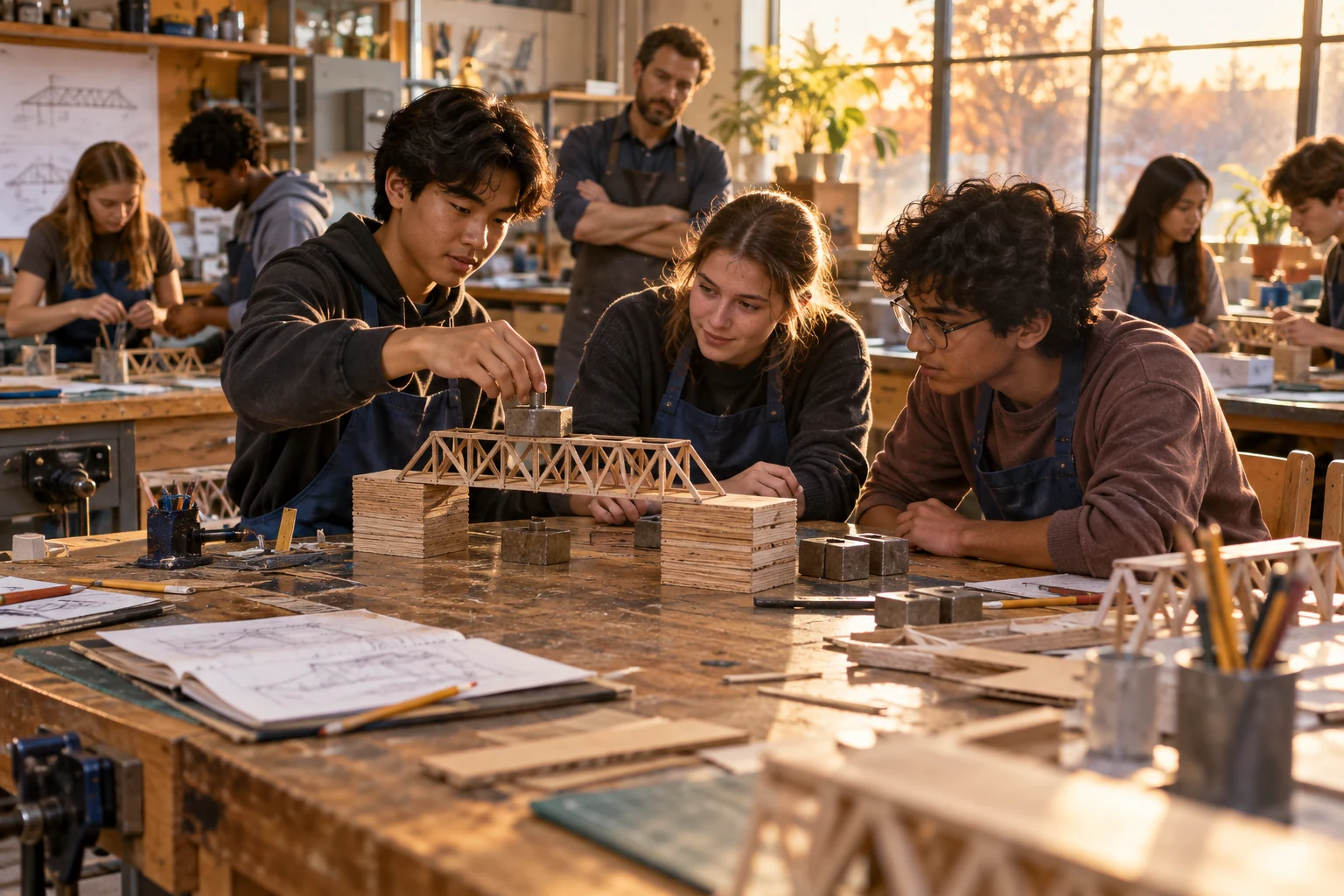
Ask to understand the work as well as the title. An explanation of a laboratory assignment, a writing revision, or a sequence of mathematics tasks can be more revealing than a long list of course names. Only use student work the school is authorized to share.
Locate help within the student's likely day
Support becomes easier to evaluate when it has a place in the schedule. A commuter may need help before leaving campus. A boarding student may use structured evening study. A student who avoids asking questions may need a more explicit introduction to the adults involved.
Concord's academic support arrangements include advising, tutoring, and structured study. During a conversation, connect those arrangements to one likely situation: an assignment the student has not understood, an unexpectedly low assessment result, or a proposed course change.
Write down what was confirmed and what still needs follow-up. “We discussed tutoring” is a weaker note than “We need to confirm when mathematics help would fit before the afternoon ride.” The second note identifies an answer the family still needs.
Give the journey the same attention as the classroom
For a day student, test the route at a plausible school-travel time when possible. Include activities and the return journey, not simply the appointment's arrival time. A convenient visit in the middle of the day can conceal an awkward weekly commute.
For a boarding student, ask which parts of the visit concern the academic campus and which concern the residence. The two locations and their routines may differ. Clarify whether residential viewing is included in the appointment and how school transport connects them.
Concord offers in-person and virtual tour options. Families visiting from a distance can discuss which questions can be answered remotely and which need an individual follow-up. Confirm the address and arrangements directly; campus plans and architectural illustrations should not substitute for a description of facilities currently in use.
Write the visit down before comparing schools
On the same evening, give the student and parent a few minutes to record their impressions separately. Use three short headings: what we observed, what the school explained, and what remains unresolved. This keeps an appealing promise from becoming a remembered fact.
Hypothetical visit note: I saw students using a shared work area between lessons. We discussed a possible science sequence. I still need to know whether the next course would be available in my entry year and how the ride home would work after activities.
A second school can then be compared on the same student needs. If you are still narrowing the geographic list, the broader Irvine-area school comparison offers a starting framework. Once Concord is on that list, use the visit inquiry to explain what your family hopes to learn. A well-framed appointment gives both the student and the school a more useful conversation.