What Happens After Class at a Boarding School?
Learn what happens after class at a boarding school, from activities and dinner to evening study, supervision, parent communication, sleep, and student recovery.
Families often ask what happens in boarding school as if the answer is a schedule. Classes end, activities begin, dinner happens, students study, and eventually lights go out.
That outline is useful, but it is not enough. The real question is what happens after class when a teenager has to move through the rest of the day without a parent standing nearby. Does the school day continue with enough structure? Does academic help appear before a student is already discouraged? Does campus life leave room for sleep, privacy, friendships, and recovery?
For many families, the after-class window is where boarding school fit becomes visible.
The Day Does Not End When Classes Do
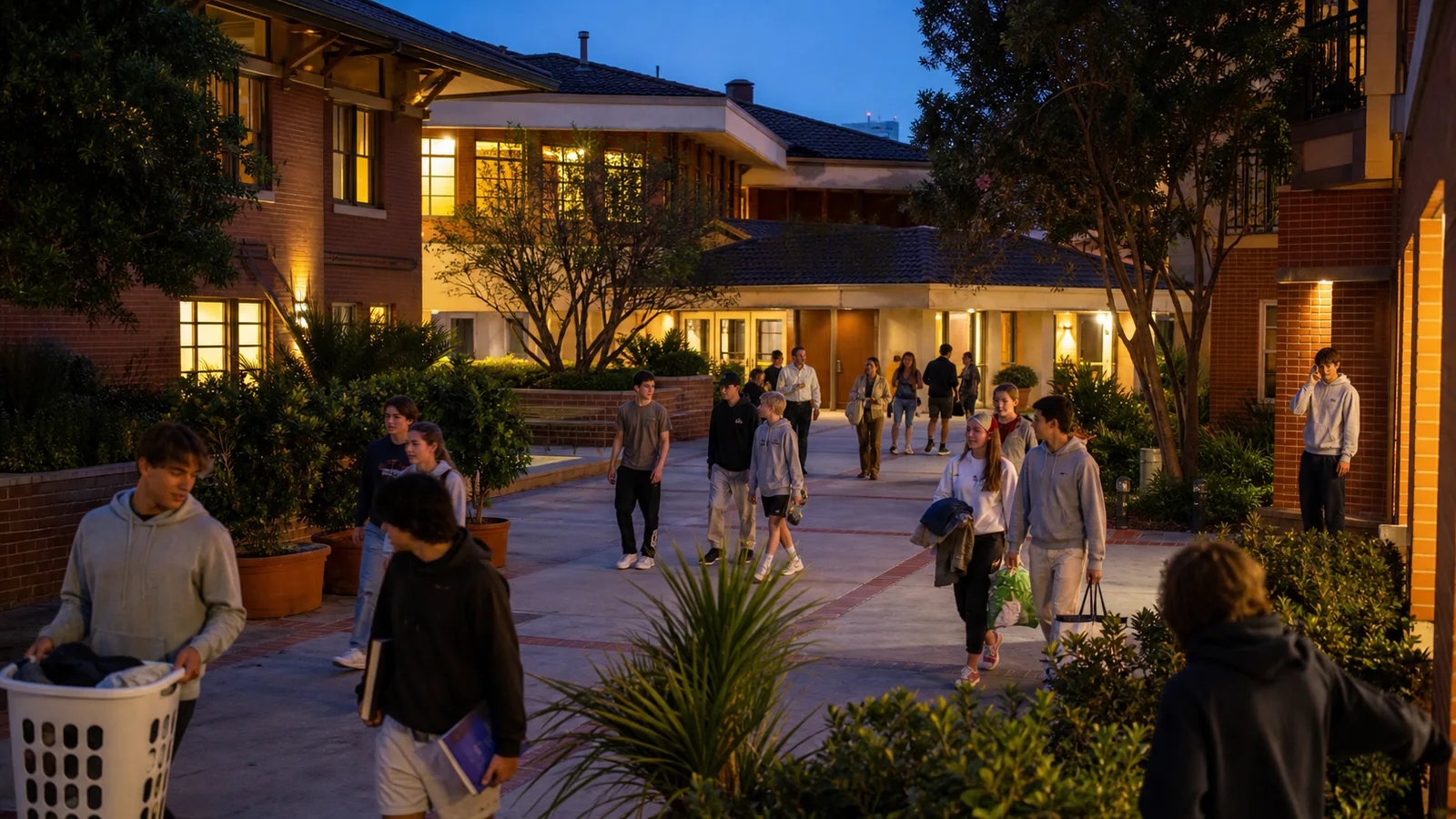
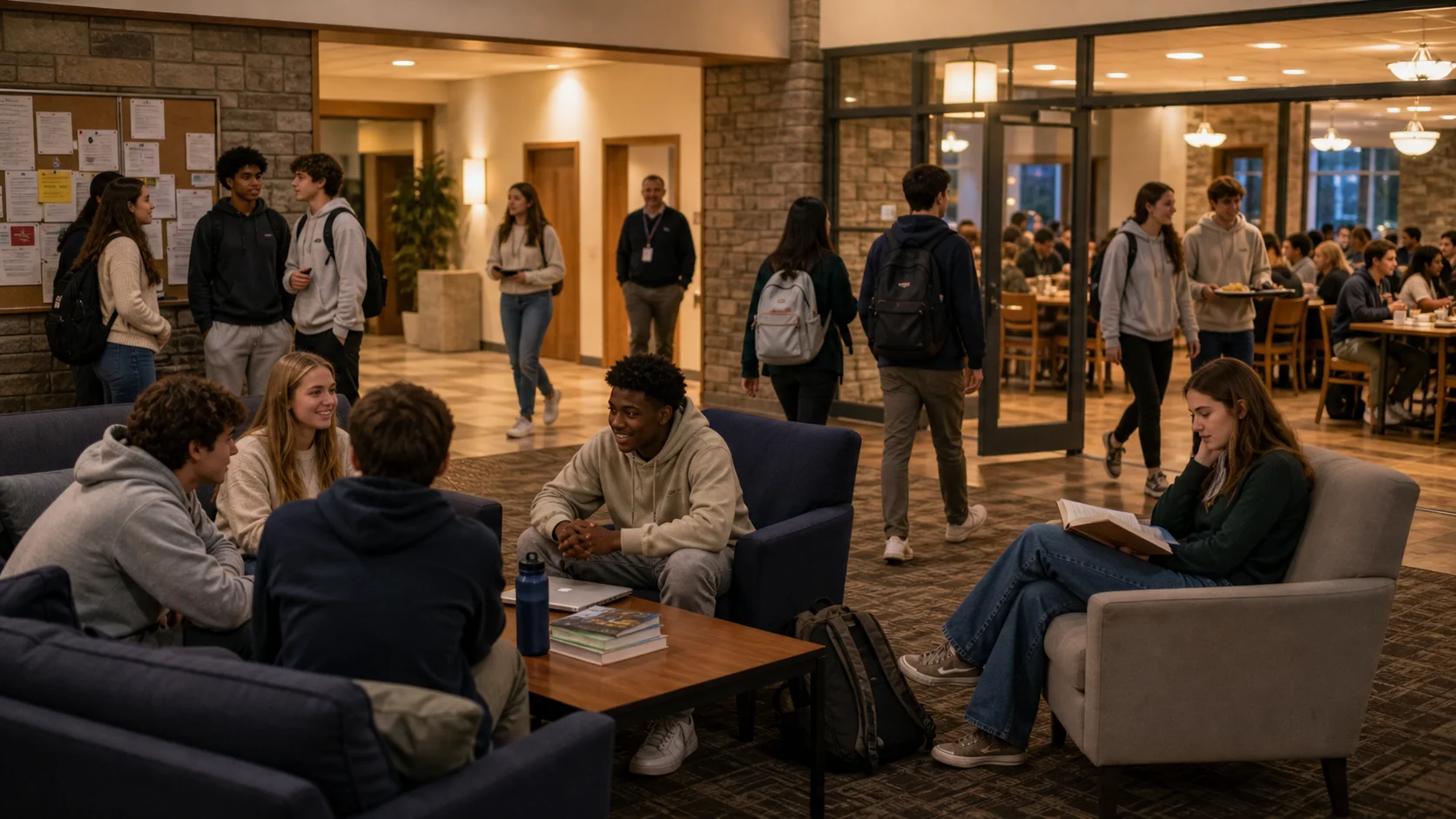
A boarding school is not just a place where students sleep after attending class. It is a school week that continues through the ordinary parts of the afternoon and evening: the walk from class, the activity block, dinner, study time, dorm routines, and the small moments when a student decides whether to ask for help or hide a problem.
For readers still sorting out the basic model, it helps to separate what a boarding school is meant to provide from the narrower question of where a student sleeps. This article focuses on the next layer: what the school does with the hours after class.
A strong boarding routine feels neither loose nor overcontrolled. Too loose, and students can drift into distraction, late work, social pressure, or poor sleep. Too controlled, and they may follow rules without building judgment. The useful middle ground is structure that teaches independence while keeping adults close enough to notice patterns.
When families compare boarding schools, this is the part of the day worth slowing down for. A polished classroom visit can show academic ambition. The hours after class show whether the school knows how teenagers actually live.
The Afternoon Is The First Test
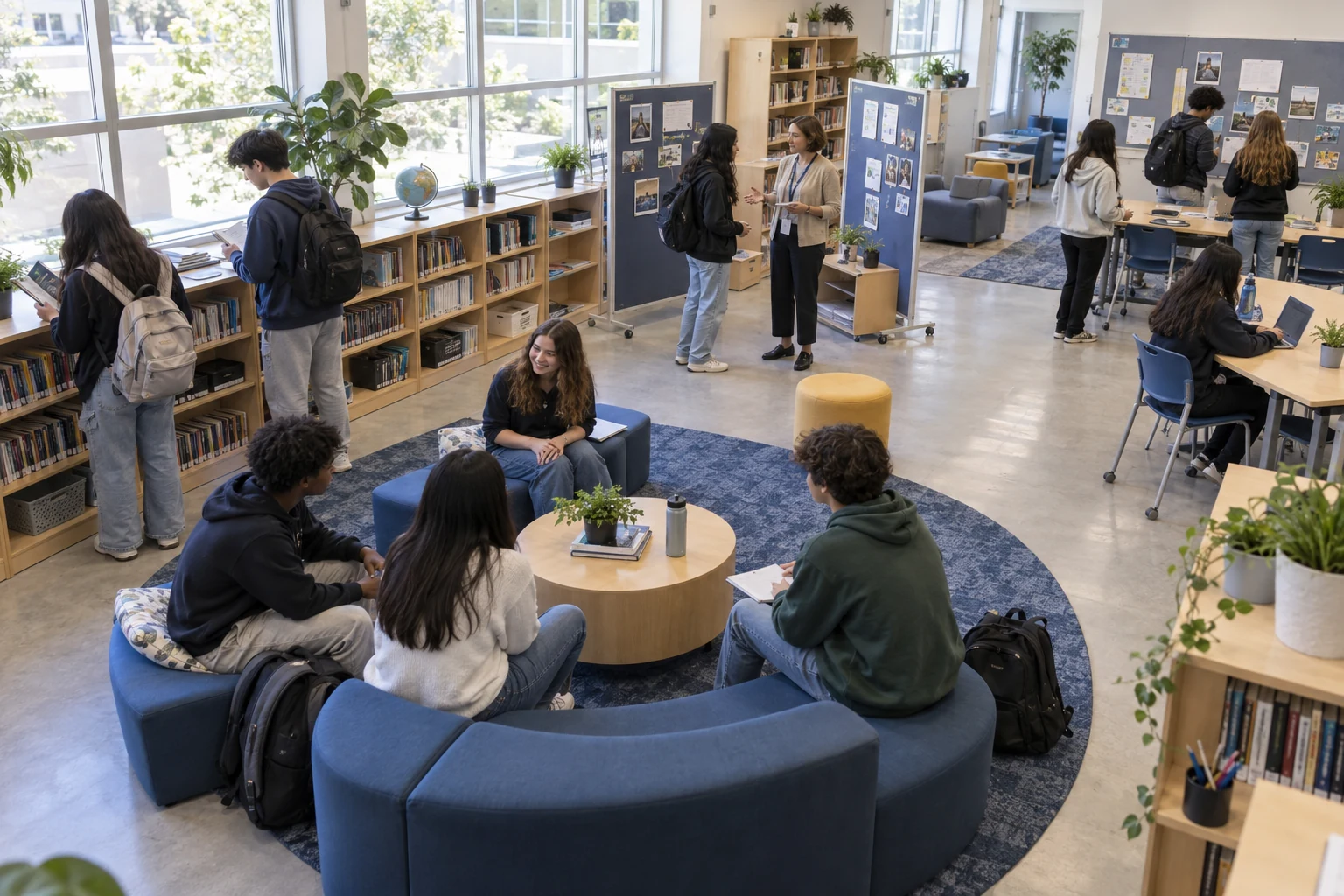
The first handoff happens when the last class ends. Some students need athletics or clubs to reset their mood. Some need food and a short break before they can focus again. Others need an adult to help them move from an intense academic day into a manageable evening.
Activity count is the wrong measure. The afternoon needs a rhythm students can follow without becoming either overscheduled or invisible. Where do students go after class? How do they know what is required and what is optional? Who notices the student who keeps skipping the activity that would help them belong?
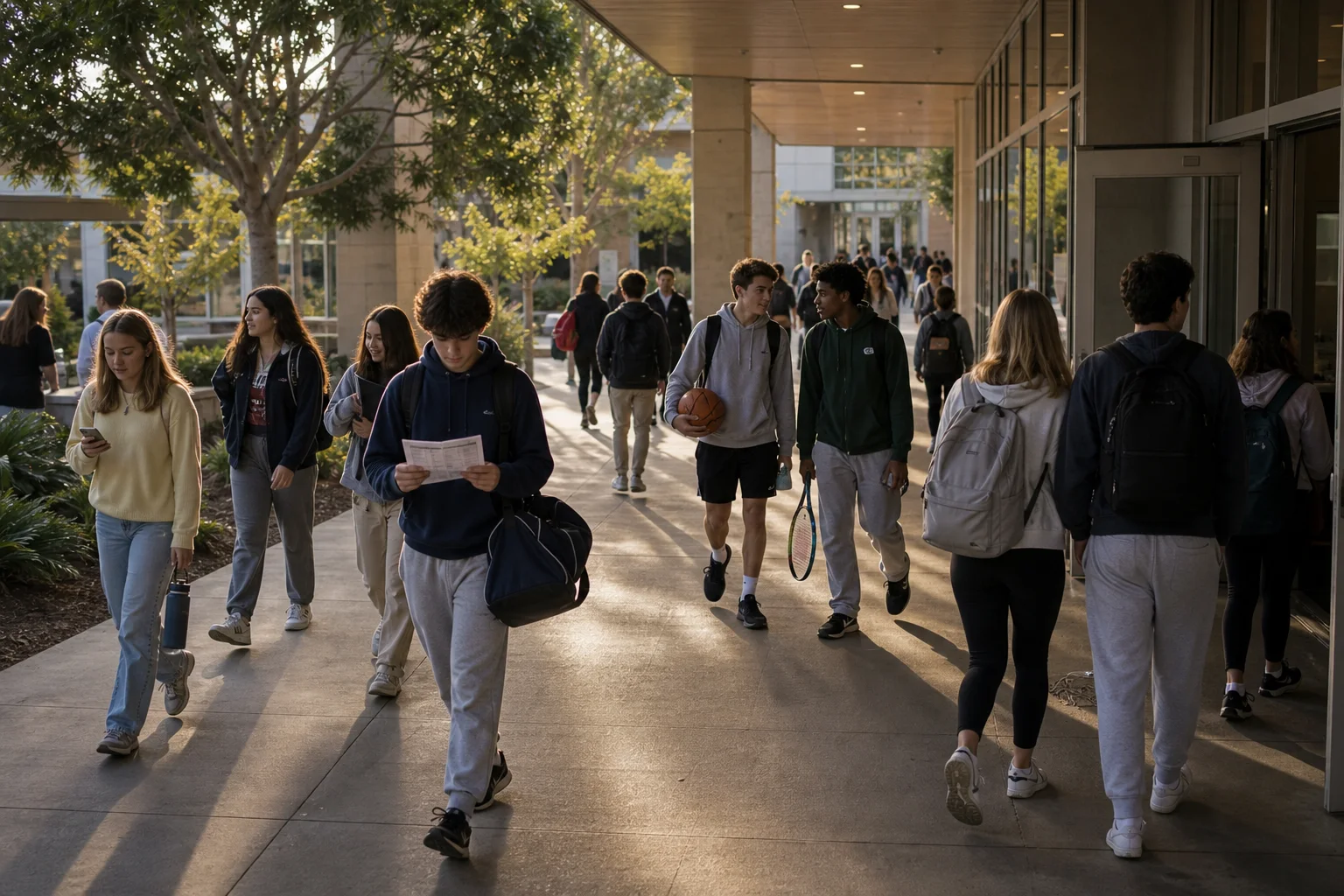
For ConcordPrep families, this is where the boarding conversation can connect naturally with how the residential week is structured and which activities fit the student's actual energy level. The goal is not to fill every hour. It is to make the afternoon useful enough that the evening does not begin in a scramble.
Evening Study Is Where Support Becomes Real
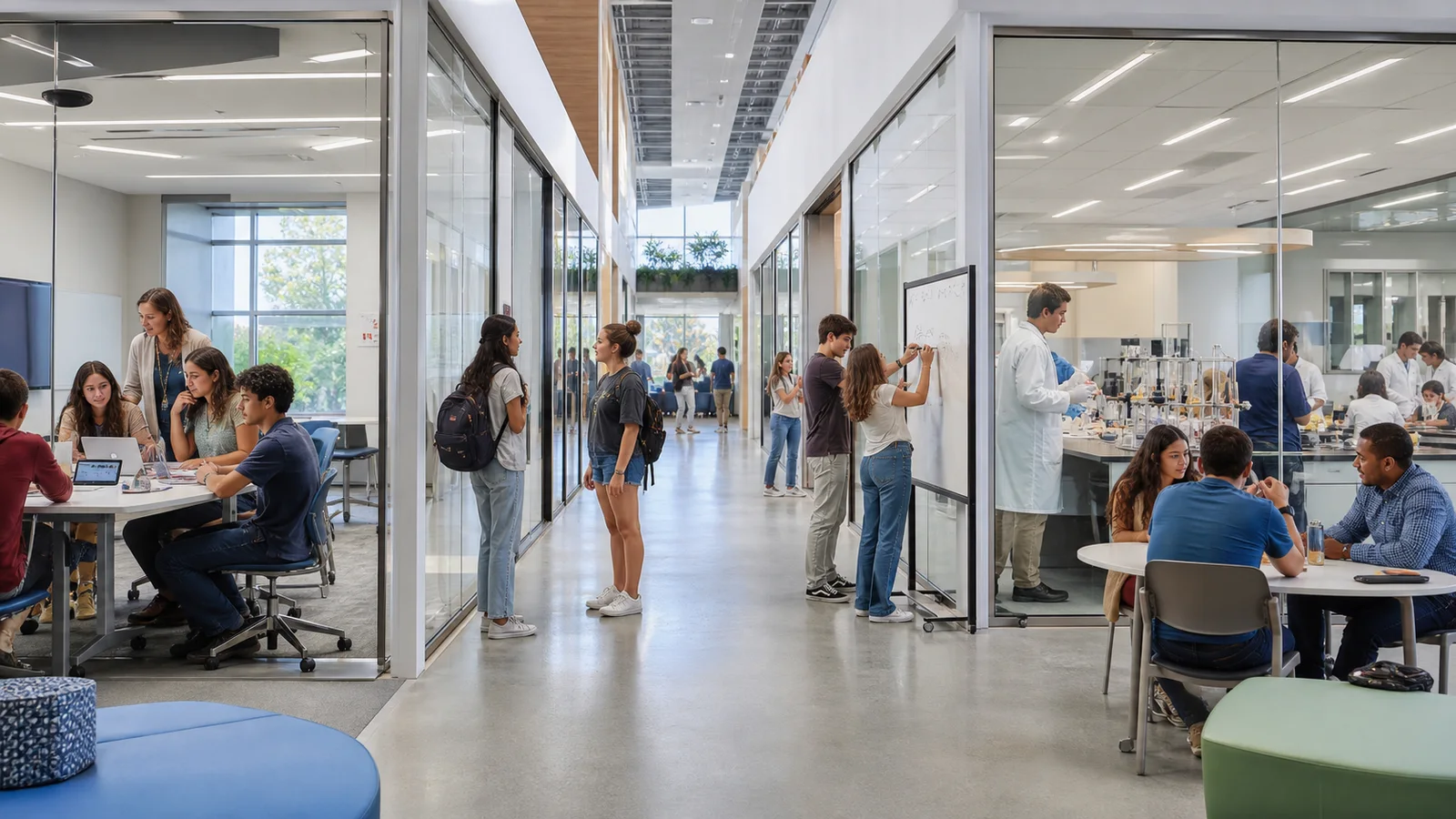
Evening study is often described as quiet time, but families should look for more than silence. A quiet room does not automatically mean a student is learning. A student can sit still, open a laptop, and avoid the assignment that is confusing them.
A better question is what happens when a student gets stuck. Is there a clear place to begin homework? Are phones and distractions handled consistently? Can a student ask for help without feeling singled out? Does information from the classroom reach the adults who see the student in the evening?
Boarding becomes valuable when school and residential life are connected. Small academic signals do not have to wait for a quarterly grade report. A missed assignment, a pattern of rushed work, or a student who studies for hours without results can become a conversation while there is still time to adjust.
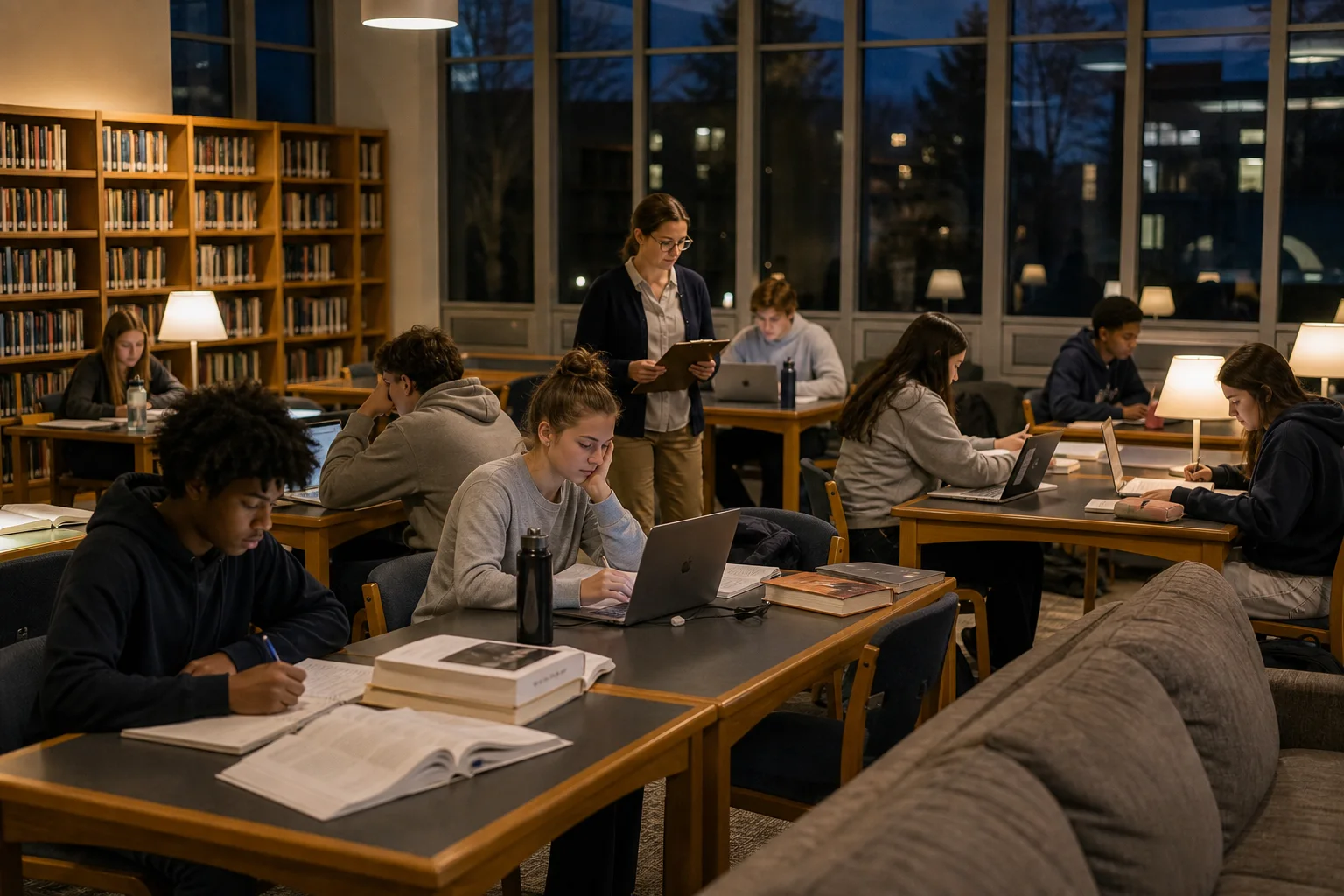
ConcordPrep families should ask how support before a student falls behind connects to the boarding week. Tutoring, study sessions, advising, progress communication, and classroom expectations matter most when they are not separate from daily life.
Supervision Is Usually Quiet
Parents sometimes picture boarding supervision as dramatic: strict rules, constant monitoring, or adults stepping in only when something goes wrong. In practice, the more important supervision is quieter.
It is the adult who knows a student has been unusually withdrawn after dinner. It is the advisor who hears from a teacher that the student stopped turning in homework. It is the residential staff member who can tell the difference between normal teenage tiredness and a week that is starting to unravel.
That kind of attention does not mean every student is watched every minute. It means the school has enough routine and communication for adults to recognize changes. For a family, that may matter more than a long list of dorm rules.
Campus Life Still Needs A Stop Point
A busy campus can be good for teenagers. Activities, study groups, athletics, clubs, and shared meals can help students build friendships and use their time well. The risk is that a full campus life can start to reward constant motion.
Sleep belongs in the boarding conversation. The CDC's sleep guidance treats adequate sleep as a health requirement, and the American Academy of Sleep Medicine's pediatric sleep recommendations place teenagers in an age range that needs substantial nightly rest. A school routine that looks impressive but leaves students chronically depleted is not a strong routine.
So the family should listen for balance. When does the day slow down? What protects study time without pushing bedtime too late? What happens when a student's activity load starts to affect mood, grades, or sleep?
Parents Still Need A Communication Rhythm
Boarding school should not turn parents into spectators. It also should not require parents to manage every detail from a distance.
The healthiest communication rhythm sits between those extremes. Parents should know who their student's main adult contacts are, how academic concerns are shared, what kind of updates are normal, and when a small concern becomes a family conversation. Daily surveillance is not the goal. Reliable pattern-sharing is.
This matters especially during the first weeks of boarding. A student may sound fine on the phone and still be struggling with sleep, roommate habits, homework pacing, or social confidence. Parents do not need every small detail, but they do need enough context to understand whether the adjustment is normal or whether the school is actively helping the student reset.
Some Students Need This Rhythm More Than Others
Not every student needs boarding school. For some, a day-school routine and home support are the better fit. For others, the boarding structure can reduce friction that has been hurting them for years.
The choice is not boarding is always better or day school is always safer. Families still weighing the tradeoff can compare the two models more directly in the boarding school versus day school guide, then return to the daily routine questions with a clearer sense of fit.
The student who benefits most is not always the most independent student on paper. Sometimes it is the capable student whose afternoons keep falling apart. Sometimes it is the student who needs peers with similar academic goals. Sometimes it is the student who does better when homework, meals, activities, and adult support live in one connected rhythm.
This is different from a therapeutic or behavior-correction search. A college-preparatory boarding environment is designed around academics, community life, independence, and readiness for the next stage. Families looking for clinical treatment, crisis placement, or behavior intervention need a different kind of program and should not treat a college-prep boarding school as a substitute.
The Real Question Is Whether Your Child Can Recover Well
No boarding routine will make every evening smooth. Teenagers have hard days. They procrastinate. They get tired. They miss home. They misread a friendship, underestimate an assignment, or carry frustration from class into dinner.
The sharper question is not whether the schedule looks perfect. It is whether the student can recover inside that schedule.
Can they find help before the problem gets too large? Can an adult notice when their habits shift? Can they move from activity to study without losing the night? Can they have enough social life to belong and enough quiet to sleep? Can parents hear the patterns that matter without having to manage the week themselves?
Once that routine sounds plausible, cost becomes a separate conversation. Families should look beyond a headline tuition number and confirm what is included, what may be billed separately, and what final enrollment terms apply; the same habit is useful when reviewing boarding school cost variables.
If the answer sounds realistic for your child, then boarding school becomes more than housing. It becomes a daily structure where independence is practiced, support is close enough to matter, and ordinary evenings teach students how to begin again.